
The real estate industry is on the cusp of a revolution, driven by technological advancements. As you navigate the complexities of property management, you’re likely wondering how to stay ahead of the curve.
Imagine having the power to analyze vast amounts of market data, predict trends, and automate routine tasks with ease. This is now a reality, thanks to the advent of AI-driven solutions in the real estate industry.
By leveraging these innovations, you can gain a competitive edge and enhance your property management capabilities. As the industry continues to evolve, it’s essential to understand the impact of these changes on your business.
Key Takeaways
- Discover how AI technologies are reshaping property valuation and management.
- Learn about the integration of AI in real estate marketing and customer experiences.
- Understand the competitive advantages of adopting AI in your business.
- Explore the automation of routine tasks and generation of market insights.
- Find out how AI is transforming the real estate ecosystem.
The Digital Revolution in Real Estate
You’re witnessing a significant shift in the real estate landscape, as technology transforms the way properties are bought, sold, and managed. The industry is undergoing a fundamental transformation, driven by technological advancements and changing consumer behaviors.
Current State of the Real Estate Industry
The current state of the real estate industry is characterized by increasing digitization, with property transactions becoming more transparent and efficient. Paper-heavy processes are rapidly being replaced by digital platforms that streamline workflows and reduce human error in property management and transactions. As a result, the industry is becoming more competitive, with companies that adopt digital tools gaining a significant edge.
The Growing Impact of AI Technology
The growing impact of AI technology is evident in how property data is collected, analyzed, and utilized to make market predictions and investment decisions. AI-powered solutions are being used to automate tasks, personalize customer experiences, and provide valuable insights that inform business decisions. As the real estate market continues to evolve, it’s clear that technology will play an increasingly important role in shaping its future.
According to industry trends, the adoption of AI technology is on the rise, driven by the need for automation, personalization, and data-driven decision-making. As the industry continues to digitize, it’s likely that we’ll see even more innovative applications of AI in the real estate sector.
Understanding AI for Real Estate Innovation

As you explore the intersection of technology and real estate, understanding AI’s role becomes crucial. AI in real estate refers to the application of machine learning, natural language processing (NLP), computer vision, and predictive analytics to perform tasks that typically require human intelligence.
Defining AI in the Context of Real Estate
When you understand artificial intelligence in the context of real estate, you’ll recognize it’s not about replacing human agents but augmenting their capabilities with powerful computational tools. AI for real estate encompasses various technologies including machine learning algorithms that analyze patterns in property data.
You’ll find that the most effective real estate AI solutions combine multiple technologies to create comprehensive platforms that address various aspects of the property lifecycle. The intelligence behind these systems comes from their ability to process vast amounts of real estate information and extract actionable insights.
Key Technologies Powering Real Estate AI
AI for real estate includes key technologies such as natural language processing that interprets client queries, and computer vision that enhances property imagery. Understanding the fundamental technologies powering real estate AI will help you make informed decisions about which tools can best enhance your property business operations.
In the Mexican market, these technologies are being adapted to local real estate practices, regulations, and consumer behaviors, creating tailored solutions for property professionals. By leveraging AI, you can gain a competitive edge in the real estate market.
The Market Growth of AI in Real Estate
You’re witnessing a substantial shift in the real estate industry, with AI technologies playing a pivotal role in shaping its future. The market is experiencing rapid growth, driven by the increasing adoption of AI solutions.
Current Market Size and Projections
According to the Business Research Company, the AI in real estate market size is projected to grow from $222.65 billion in 2024 to $975.24 billion by 2029, at a compound annual growth rate (CAGR) of 34.1%. This growth trajectory underscores the industry‘s rapid embrace of AI technologies.
| Year | Market Size (in billion USD) | CAGR |
|---|---|---|
| 2024 | 222.65 | 34.1% |
| 2029 | 975.24 |
Driving Factors Behind AI Adoption
The driving factors behind this growth include the increasing availability of data, advancements in AI algorithms, and the growing need to streamline operations in competitive real estate markets. Every company in the sector is finding applications for AI that can transform their business models.
Some key drivers include:
- Market analytics and forecasting capabilities
- The rise of chatbots and virtual assistants for enhanced customer service
- Advanced machine learning algorithms for property valuation and prediction
These factors are contributing to the market growth, making AI an indispensable tool in the real estate industry.
AI-Powered Property Valuation and Analysis

Revolutionize your real estate investments with AI-powered property valuation tools that provide accurate market insights. AI-powered valuation platforms can automatically assess property value using complex algorithms that analyze market data, comparable sales, and property characteristics.
Automated Valuation Models
You can transform your property valuation process with AI-powered automated valuation models that analyze thousands of data points in seconds to determine accurate market values. These models consider various factors, including neighborhood development plans and school ratings.
Predictive Analytics for Investment Decisions
When you leverage predictive analytics for investment decisions, you gain the ability to forecast property value appreciation with greater accuracy. The data-driven approach eliminates much of the guesswork from property valuation, providing you with objective assessments based on comprehensive market analysis.
By utilizing AI-powered valuation tools, you can make informed decisions backed by analytics that simulate various market scenarios and predict potential returns under different economic conditions.
Transforming Property Management with AI
With AI, property management becomes less of a headache and more of a streamlined process. AI in the real estate industry is making a significant impact by automating routine tasks, improving decision-making, and enhancing tenant experiences.
One of the key benefits of AI in property management is the automation of administrative tasks. AI-powered property management systems can track rental listings, tenant applications, lease documents, and maintenance requests, providing valuable insights into tenant preferences and recurring maintenance issues.
Automated Administrative Tasks
By implementing AI systems, you can dramatically increase your property management efficiency. These systems automate routine tasks such as lease renewals, rent collection, and maintenance scheduling, reducing operational costs by up to 30% while improving tenant satisfaction.
- Automate lease renewals and rent collection to reduce administrative burdens.
- Improve tenant satisfaction through faster response times and consistent service.
- Gain valuable insights into operational patterns to inform strategic decisions.
Predictive Maintenance and Smart Building Management
AI-powered predictive maintenance algorithms analyze patterns in your property’s systems and equipment, alerting you to potential issues before they become costly emergencies. Additionally, smart building management powered by AI continuously monitors energy usage, security systems, and environmental conditions, optimizing your property’s performance and sustainability.
| Feature | Benefit |
|---|---|
| Predictive Maintenance | Reduces costly emergencies by identifying potential issues early. |
| Smart Building Management | Optimizes energy usage, security, and environmental conditions. |
In Mexico’s growing real estate market, property management AI tools are becoming essential competitive advantages, especially for companies managing multiple properties or large-scale developments. By adopting AI solutions, you can not only save time on repetitive tasks but also gain valuable insights into operational patterns that can inform strategic business decisions.
AI-Enhanced Customer Experience in Real Estate

AI is enhancing customer experiences in real estate by providing personalized services and instant responses. This transformation is crucial in a competitive market like Mexico, where client expectations are continually evolving.
24/7 Customer Service with AI Chatbots
You can revolutionize your client service approach with AI chatbots that provide instant, 24/7 responses to property inquiries, significantly improving response times and initial engagement rates. These intelligent systems learn from each interaction, becoming increasingly effective at addressing common questions and guiding potential buyers through the early stages of their property search.
Estate agents who implement AI tools report spending up to 40% more time on high-value client interactions rather than routine information sharing. This shift enables them to build stronger relationships with their clients.
Personalized Property Recommendations
The personalized recommendations generated by AI analyze a buyer’s browsing behavior, stated preferences, and even subtle patterns in their interactions to suggest properties that truly match their needs. Your clients will enjoy experiences that feel tailored specifically to them, with AI systems remembering their preferences and adapting recommendations as their requirements evolve.
| Feature | Benefit | Impact on Client Experience |
|---|---|---|
| 24/7 AI Chatbots | Instant Responses | Improved Engagement Rates |
| Personalized Recommendations | Tailored Property Suggestions | Enhanced Client Satisfaction |
| AI-driven Analysis | Predictive Property Needs | Better Client Relationships |
In the competitive Mexican real estate market, these enhanced customer experiences are becoming key differentiators, with buyers increasingly expecting the same level of personalization they receive from other digital services. By leveraging AI, you can meet these expectations and build lasting relationships with your clients.
Virtual Property Tours and Staging

You’re likely aware that the way people search for properties is changing, with virtual tours and staging at the forefront. The real estate industry is embracing technologies that provide immersive experiences, making it easier for buyers to explore properties remotely.
3D Virtual Tours and AR Experiences
Platforms like Matterport are using AI to create interactive 3D tours, allowing potential buyers to explore properties from the comfort of their homes. These immersive experiences are particularly valuable for international investors looking at properties in Mexico, as they can get a realistic feel for spaces without the need for travel.
By implementing 3D virtual tours, you can dramatically increase property interest and reduce the need for multiple in-person showings.
AI-Powered Virtual Staging
AI-powered virtual staging transforms empty properties into beautifully furnished spaces at a fraction of the cost of traditional staging. The technology behind virtual staging has advanced significantly, now offering photorealistic results that can be customized to different design styles to appeal to various buyer preferences.
Your marketing effectiveness will improve as virtual tours typically generate 87% more views than listings with just photos, leading to faster sales and potentially higher offers.
AI for Real Estate Marketing and Lead Generation

Revolutionize your real estate marketing strategy with AI-powered tools that streamline lead generation and enhance customer engagement. As a real estate agent, you’re constantly looking for ways to stay ahead of the competition and attract potential buyers.
Automated Content Creation for Listings
AI tools like ChatGPT can be invaluable for crafting compelling listing descriptions, saving you time while producing tailored content. Instead of spending hours writing and editing, you can use AI to generate unique, engaging property descriptions with the click of a button.
Benefits of Automated Content Creation:
- You’ll transform your property marketing efficiency with AI tools that can generate compelling listing descriptions, social media content, and email campaigns in minutes rather than hours.
- Real estate agents using automated content creation report saving up to 15 hours per week while maintaining or improving the quality and personalization of their marketing materials.
Lead Scoring and Nurturing with AI
AI-powered lead nurturing tools can help you stay connected with leads and clients effortlessly, providing immediate responses to inquiries, scheduling appointments, and answering frequently asked questions.
The lead generation process becomes significantly more effective when you implement AI scoring systems that identify the most promising prospects based on their behavior, engagement patterns, and property preferences.
- Your business growth accelerates when AI nurturing systems maintain consistent, personalized communication with potential buyers, keeping your properties top-of-mind without requiring constant manual follow-up.
- These intelligent tools can analyze a buyer’s digital body language – including which properties they view repeatedly, how long they spend on certain listings, and which features they focus on – to tailor communications specifically to their interests.
- In Mexico’s competitive real estate market, agents using AI-powered marketing and lead generation tools are reporting conversion rates up to 3x higher than those using traditional methods.
Intelligent Data Processing in Real Estate
You are on the verge of transforming your real estate business with intelligent data processing. By leveraging AI technologies, you can streamline data analysis, gain valuable insights, and make informed decisions.
Document Analysis and Management
Document analysis in real estate is a complex task due to the variety of document formats and templates. However, AI-powered document analysis tools can efficiently extract relevant information from diverse documents, including contracts, appraisals, and regulatory filings. These tools can:
- Automatically extract, categorize, and analyze data from various real estate documents.
- Reduce document processing time by up to 90% while improving accuracy and consistency.
Market Trend Analysis and Forecasting
AI-driven market trend analysis provides you with unprecedented insights into property value trajectories, neighborhood development patterns, and emerging investment opportunities. By processing vast amounts of historical data alongside current market indicators, AI algorithms enable more reliable forecasting of future real estate movements. The benefits include:
- Access to actionable insights that allow for informed decisions about property acquisitions and sales timing.
- The ability to identify micro-trends in diverse regional markets, such as Mexico, giving you highly localized insights for precise decision-making.
- A comprehensive view of market dynamics through the integration of multiple data sources, including public records and demographic shifts.
By adopting intelligent data processing, you can gain a competitive edge in the real estate market, making data-driven decisions that drive business success.
Fraud Detection and Compliance in Real Estate

The real estate industry is not immune to fraud, but with AI, you can significantly reduce your exposure to it. Real estate transactions involve high-value deals and complex documentation, making them vulnerable to fraudulent activities. However, AI systems equipped with computer vision and Natural Language Processing (NLP) can flag anomalies in documents and detect suspicious activities in real-time.
AI for Identifying Fraudulent Activities
AI detection systems can identify suspicious patterns in transactions, documents, and client behaviors before they result in financial losses. These intelligent algorithms continuously monitor for known fraud indicators while also learning to recognize new deception techniques as they emerge in the market. You can benefit from:
- Verification of identity documents, contract integrity, and financial disclosures.
- Detection of manipulated property images, exaggerated listing descriptions, and other misrepresentations.
- Real-time monitoring and flagging of suspicious activities.
Ensuring Regulatory Compliance
The compliance landscape in real estate is increasingly complex, but AI tools can automatically scan your documentation and processes against current regulations, flagging potential issues before they become violations. Your risk management improves dramatically when AI systems verify the authenticity of property images, documents, and client identifications, protecting you from sophisticated forgery attempts. Key benefits include:
- Automated compliance checks against local and international standards.
- Enhanced risk management through verification of documents and identifications.
- Protection against Fair Housing Act violations and other legal challenges.
By leveraging AI for fraud detection and compliance, you not only safeguard your business against financial losses but also enhance your reputation by maintaining high standards of integrity and regulatory adherence.
Portfolio Optimization Using AI
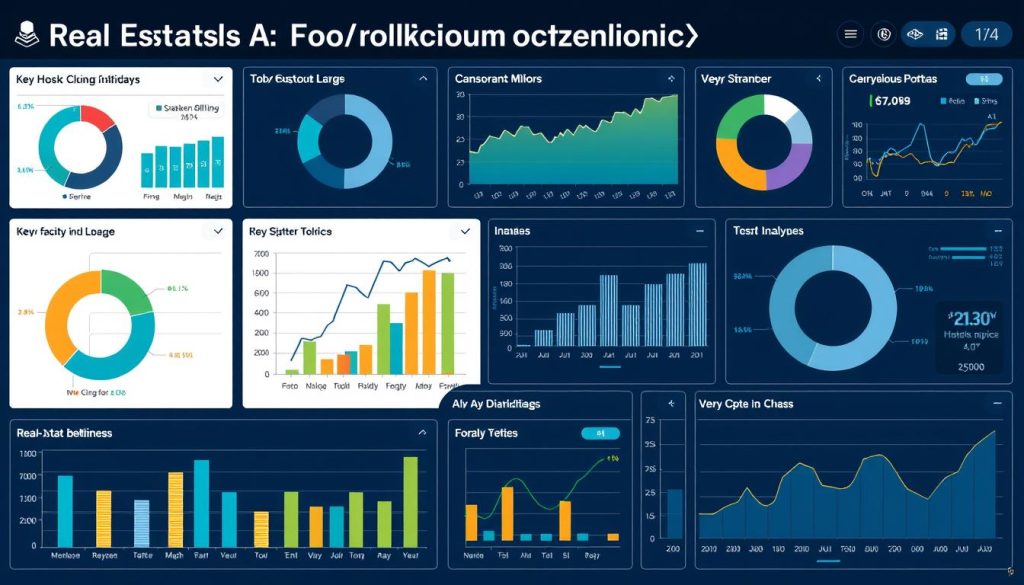
With AI-driven analytics, you can now make informed decisions about your real estate portfolio, maximizing returns and minimizing risks. AI-powered portfolio optimization tools enable you to allocate capital strategically across various properties and markets, leveraging advanced analytics to forecast market movements and ROI projections.
Strategic Asset Allocation
You can transform your estate portfolio performance with AI analytics that optimize asset allocation based on hundreds of market variables. These sophisticated tools analyze historical performance data alongside current market conditions to recommend strategies for adjusting your portfolio, maximizing returns while managing risk exposure.
Risk Assessment and Management
Risk assessment becomes more comprehensive when AI tools evaluate not just obvious market factors but also subtle indicators like social media sentiment and transportation pattern changes. By leveraging these advanced analytics and strategies, you can make more informed decisions about property acquisitions, dispositions, and development, ultimately enhancing your estate portfolio’s resilience and performance.
By adopting AI-powered portfolio optimization, you can stay ahead in the competitive real estate market, making data-driven decisions that drive your portfolio’s success.
Real-World Examples of AI for Real Estate Innovation
The real estate industry is witnessing a significant transformation with the integration of AI technology. As you explore the various applications of AI in real estate, you’ll discover how leading property companies are leveraging this technology to enhance their operations and client experiences.
Several platforms are at the forefront of this innovation. For instance, Zillow and Redfin use AI to improve home valuation accuracy, while Compass employs machine learning to optimize pricing strategies. These examples demonstrate how AI is streamlining both user experience and business operations in the real estate sector.
AI in Commercial Real Estate
In commercial real estate, companies are utilizing AI to optimize lease pricing, predict tenant turnover, and identify the most profitable development opportunities based on comprehensive market analysis. This strategic use of AI enables agents to make informed decisions and provide valuable insights to their clients.
AI in Residential Property Management
Residential property management firms are also benefiting from AI adoption. By streamlining maintenance scheduling, tenant communication, and financial reporting, AI is reducing operational costs while improving service quality. This allows agents to focus on building stronger relationships with their clients.
AI for Real Estate Agencies
Forward-thinking agents are leveraging AI tools to automate routine tasks, enabling them to concentrate on high-value services such as strategic advisory services. Reimagine Home, for example, offers AI-powered virtual staging, while Matterport provides 3D home tours using AI-driven imaging. These innovations are transforming the way property is marketed and sold.
| Company | AI Application | Benefit |
|---|---|---|
| Zillow | AI-powered home valuation | Improved accuracy in pricing |
| Redfin | AI-driven market analysis | Enhanced market insights |
| Compass | Machine learning for pricing strategies | Optimized pricing for property |
As you can see, the integration of AI in real estate is revolutionizing the industry. By adopting AI solutions, companies can improve their operations, enhance client experiences, and stay ahead of the competition.
Conclusion: The Future of AI in Real Estate Property Management
You’re on the cusp of a new era in real estate, where AI-driven innovations will redefine the industry. The AI boom in real estate is not just a trend; it’s the future. From automating everyday tasks to making smarter investment decisions, artificial intelligence offers limitless opportunities.
As property markets become more competitive, those who embrace AI and real estate innovations will lead the next generation of growth. The future of property management lies in the seamless integration of human relationship skills with artificial intelligence capabilities.
The integration of AI across the real estate ecosystem will continue to accelerate, with estimates suggesting that 75% of all property transactions will involve AI by 2030. To maintain your competitive edge, it’s crucial to implement these technologies strategically.
FAQ
Q: How is AI technology transforming the real estate industry?
A: AI is revolutionizing the real estate industry by enhancing property management, improving customer experiences, and streamlining business operations through predictive analytics, automated tasks, and personalized recommendations.
Q: What are the benefits of using AI-powered property valuation models?
A: AI-powered property valuation models provide accurate and data-driven valuations, enabling investors and property owners to make informed decisions, reduce costs, and optimize their portfolios.
Q: How do AI chatbots enhance customer service in real estate?
A: AI chatbots offer 24/7 customer support, providing instant responses to inquiries, answering questions, and helping clients navigate the property buying or renting process, thus improving overall customer satisfaction.
Q: What is virtual staging, and how does AI contribute to it?
A: Virtual staging is the process of digitally furnishing and decorating properties to help potential buyers visualize the space. AI-powered virtual staging uses algorithms to generate realistic and appealing virtual interiors, reducing the need for physical staging.
Q: How does AI help in detecting fraudulent activities in real estate transactions?
A: AI-powered systems analyze vast amounts of data to identify patterns and anomalies, detecting potential fraudulent activities, such as identity theft or false documentation, and alerting relevant parties to take action.
Q: Can AI help in optimizing real estate portfolios?
A: Yes, AI can analyze market trends, property performance, and other factors to provide insights on strategic asset allocation, risk assessment, and management, enabling investors to optimize their portfolios and maximize returns.
Q: What are the advantages of using AI-generated content for real estate listings?
A: AI-generated content can save time and resources by automatically creating high-quality, engaging listings, allowing real estate agents to focus on high-value tasks, such as client relationships and sales.
Q: How does AI improve market trend analysis and forecasting in real estate?
A: AI analyzes large datasets, including market trends, economic indicators, and other factors, to provide accurate forecasts and insights, enabling real estate professionals to make informed decisions and stay ahead of the competition.
No Responses