
1. Traditional Property Portals
Property portals let users filter listings by location, price, size, bedrooms, and amenities.
Pros: Large inventory, visual search tools, and convenient filters.
Cons: Duplicate advertisements, outdated availability, and conversations scattered across different listings.
These portals are useful when beginning to buy an apartment, but they rarely manage the complete transaction.
2. Real Estate Agents
An experienced agent can recommend properties, arrange visits, answer questions, and support negotiations.
Pros: Local market knowledge and personalized guidance.
Cons: Service quality depends on the agent, and buyers may only see properties within that professional’s portfolio.
This method works well for buyers who need support with pricing, documentation, and local procedures.

3. Direct Purchases from Developers
New developments and pre-construction projects may offer modern amenities, flexible payment plans, and early purchase prices.
Pros: New construction and possible customization options.
Cons: Delivery risks, construction delays, and limited information about the finished property.
Anyone planning to buy an apartment directly from a developer should verify contracts, permits, delivery terms, and the developer’s history.
4. Social Media and Local Groups
Social networks can connect buyers directly with owners, agents, and neighborhood communities.
Pros: Fast communication and access to local opportunities.
Cons: Inconsistent listing details, limited verification, and greater exposure to misleading advertisements.
Never send deposits before confirming ownership, documentation, and transaction conditions.
5. Bank-Owned Properties and Auctions
Foreclosures, auctions, and bank-owned properties may be listed below standard market prices.
Pros: Potential discounts and real estate investment opportunities.
Cons: Complex legal processes, property condition risks, and restricted access before purchase.
Professional legal advice is usually necessary when using this method to buy an apartment.
6. Direct Neighborhood Searches
Some buyers explore neighborhoods, contact building managers, and look for properties that are not widely advertised.
Pros: Better understanding of transportation, noise, services, security, and daily life.
Cons: Time-consuming and difficult to scale across several locations.
Visiting the area helps buyers evaluate factors that photographs cannot show.
7. Integrated Real Estate Platforms
Integrated platforms combine property discovery, communication, lead management, and follow-up.
Pros: Centralized information and stronger connections between buyers, sellers, renters, and agents.
Cons: Features vary considerably between platforms.
For someone preparing to buy an apartment, an integrated platform can prevent listings, messages, and important follow-ups from becoming disorganized.
Why Traditional Real Estate Platforms Are Limited
Finding a listing does not guarantee an efficient purchase. Buyers may save links across several property portals, repeat the same questions, and lose track of conversations. Agents and sellers may receive inquiries through multiple channels without a reliable follow-up process.
The challenge is not always a lack of properties. The real problem is the absence of organization between listings, buyers, sellers, agents, and active leads.
Find and Manage Real Estate Opportunities with Inmowa
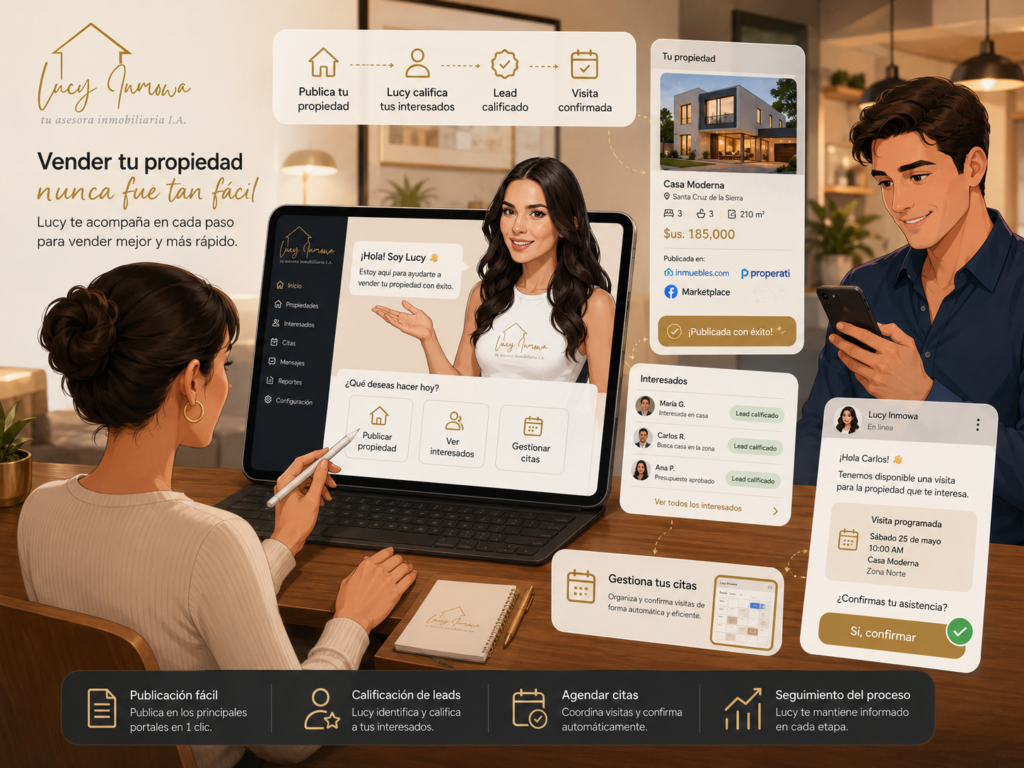
Inmowa connects buyers, sellers, renters, agents, and properties in one platform. Lucy, its AI assistant, helps organize inquiries, qualify leads, track conversations, and improve follow-up.
Explore Inmowa: https://www.inmowa.com/
How Inmowa Simplifies the Property Journey
Inmowa is not only another listing portal. It is a complete real estate platform designed to centralize properties, clients, conversations, and opportunities.
A person looking to buy an apartment can explore available properties and connect with the right seller or agent. Owners who want to sell a house or rent a property can organize their listings and manage interested clients without relying on disconnected spreadsheets, notes, and messages.
Lucy adds an AI-powered management layer. The assistant can help qualify leads according to factors such as budget, preferences, timing, and financing readiness. It can also support automated nurturing and property recommendations, helping professionals prioritize stronger opportunities.
This centralization gives buyers faster responses and helps real estate professionals reduce missed opportunities.
Practical Examples
An Agent Managing Several Properties
An agent manages apartments, houses, and rental properties from one place. When inquiries arrive, Lucy helps organize the leads and connect their requirements with suitable listings.
A Buyer Comparing Apartments
A client who wants to buy an apartment can compare options, prices, locations, and contacts without losing information across multiple websites.
A Seller Automating Follow-Up
An owner publishes a property and receives several inquiries. Instead of manually tracking every conversation, Inmowa centralizes the leads while Lucy supports consistent follow-up. Inmowa also supports property, client, lead, and automated conversation management within the same workflow.
Make a Better Real Estate Decision
To buy an apartment successfully, compare more than the listing price. Review financing, closing costs, inspections, insurance, location, maintenance expenses, and legal documents. The Consumer Financial Protection Bureau and HUD provide step-by-step resources for budgeting, comparing loans, inspecting a property, and preparing for closing.
Traditional portals can help you discover listings, but Inmowa connects discovery with property and lead management. With Lucy, buyers, sellers, renters, and agents gain a more organized way to communicate and move opportunities forward.
Start your search and buy an apartment with better organization at:

External Links:
- Inmowa: Apartment for Sale — How to Buy or Sell Smarter — A guide to finding, buying, marketing, and managing apartment opportunities through modern real estate platforms and AI-powered tools.
- Realestate.com.au: Buying an Apartment Checklist — A practical checklist covering building conditions, shared fees, ownership rules, inspections, and long-term costs.
- Investopedia: An Introduction to Buying a Condominium — An overview of condo ownership, shared areas, association fees, restrictions, maintenance, and resale considerations.
- Velora Estate: Buying an Apartment Step by Step — A step-by-step resource covering budgeting, property searches, document reviews, negotiations, financing, and closing.
- InvestBay: What to Watch Out for When Buying an Apartment — A guide to evaluating an apartment objectively and reviewing its financial, legal, and practical conditions before purchasing.
 Talk to Lucy, Inmowa's virtual assistant
No Responses