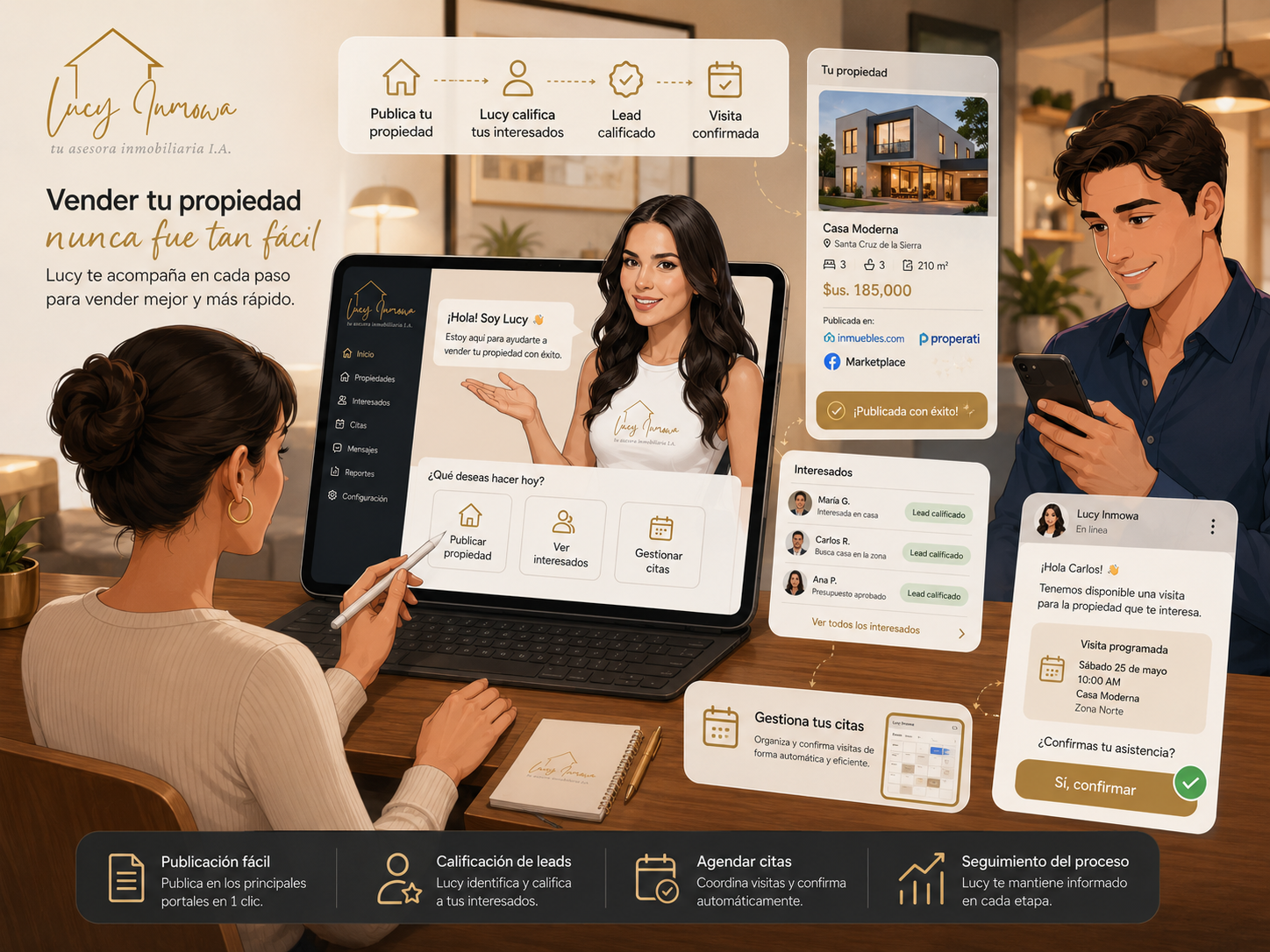
Finding, selling, or renting a property can be overwhelming. Buyers compare dozens of listings, sellers wait for qualified leads, renters need fast answers, and agents often manage everything across calls, messages, spreadsheets, and portals.
That is why real estate in 2026 is no longer just about listing properties online. It is about connecting the right people, managing information, and following up at the right moment.
Top 7 real estate options in 2026
1. Traditional property portals
Large portals help users browse homes, apartments, and rentals.
Pros: high traffic and wide inventory.
Cons: many leads are cold, duplicated, or hard to track.
2. Social media listings
Platforms like Facebook, Instagram, and TikTok are useful for showing properties visually.
Pros: strong reach and fast engagement.
Cons: poor lead organization.
3. Independent agents
Agents help buyers and sellers with negotiation, visits, and paperwork.
Pros: personal advice and local knowledge.
Cons: results depend on each agent’s process.
4. WhatsApp and local groups
Many people still use direct messaging to buy house, sell house, or rent.
Pros: fast communication.
Cons: information gets lost easily.
5. Brokerage websites
Agencies can publish their own property catalogs.
Pros: brand control.
Cons: traffic depends on SEO and marketing.
6. Specialized marketplaces
These platforms improve search through filters and property categories.
Pros: better browsing experience.
Cons: not always built for full property management.
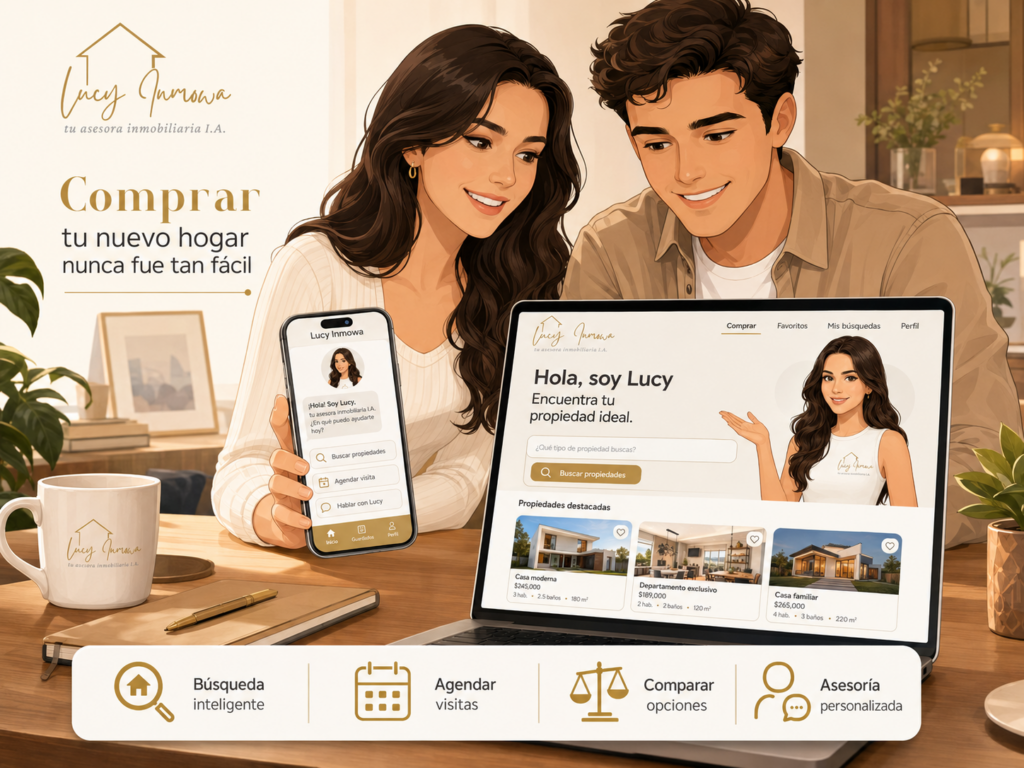
7. AI-powered real estate platforms
Modern real estate platforms combine listings, lead tracking, property management, and automation.
Pros: centralized workflows, faster follow-up, better conversion.
Cons: choosing the right platform matters.
The key problem with traditional platforms
The main limitation in real estate is not visibility alone. It is follow-up.
A buyer may request information and never receive a clear answer. A seller may get leads from different channels and lose track. An agent may have several properties, visits, and prospects without a unified system.
Industry reports show that buyer and seller behavior continues changing across generations, making digital tools more important for serving different customer expectations. The World Bank also highlights the role of urban development and housing systems in creating more livable cities, which reinforces the need for better property and housing processes.
Use Inmowa to connect properties, clients, and AI
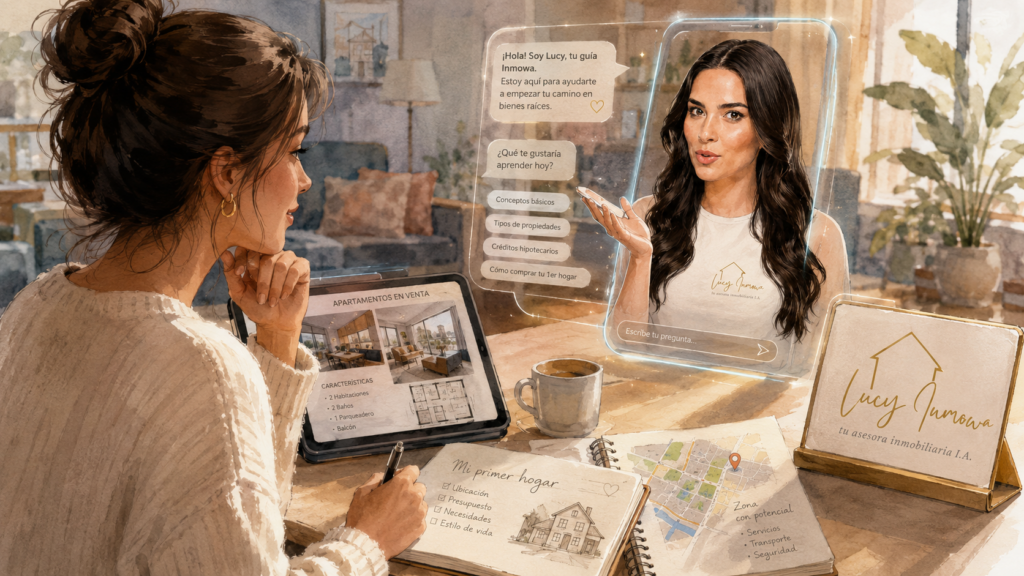
Inmowa is built for modern real estate. It connects buyers, sellers, and rentals in one complete platform, while Lucy, its AI assistant, helps manage properties and leads.
It is not just another property portal. It is a smarter way to organize listings, improve follow-up, and convert more opportunities.
How Inmowa solves real estate management
Property management
Inmowa helps agents, owners, and businesses organize properties in one place. Instead of scattered files and disconnected listings, users can centralize their inventory.
Lead tracking
In real estate, every lead matters. Inmowa helps track interested buyers, sellers, and renters so conversations do not disappear across multiple channels.
AI automation with Lucy
Lucy supports the process by helping manage inquiries, organize information, and improve response speed. This makes the platform more than a directory: it becomes an operational system.
Centralized workflow
With Inmowa, property professionals can reduce manual work and manage their business from a single environment.
Practical examples
An agent managing 30 properties can use Inmowa to organize listings, track interested buyers, and let Lucy support follow-up.
A buyer looking for a house can find relevant properties faster instead of browsing disconnected platforms.
A seller can publish a property and connect with better-qualified prospects.
A rental owner can manage inquiries and avoid losing potential tenants because of delayed responses.
For investors, centralized property data helps compare opportunities and make better decisions. Market outlooks from sources like PwC and ULI show that the sector continues evolving with technology, capital trends, and changing user expectations.

Conclusion
The future of property is not just about publishing properties. It is about connection, organization, automation, and speed.
Inmowa brings all of that together in one platform: buyers, sellers, rentals, property management, lead tracking, and Lucy, an AI assistant built to make the process easier.
For anyone looking to buy, sell, rent, or manage properties in 2026, Inmowa is a complete property solution designed for the way the market works now.
External Links:
- Inmowa property Platform — A digital propertye platform focused on property publishing, lead management, sales opportunities, and AI-powered assistance.
- Investopedia: Real Estate Definition, Types, and Investment Options — A clear introduction to property, property types, ownership, and the main ways people participate in the market.
- Investopedia: A Beginner’s Guide to property Investing — A beginner-friendly guide covering rental properties, house flipping, REITs, risks, and investment strategies.
- Harvard Professional Development: property Investing for Beginners — An educational resource explaining the essential skills needed to understand markets and make informed real estate investments.
- National Association of Realtors: Consumer Real Estate Guides — Professional guidance for buyers and sellers about agent agreements, property visits, commissions, and real estate transactions.
 Talk to Lucy, Inmowa's virtual assistant
No Responses